UL Certification
We can provide customers with favorable prices, stable supply chain, and the best ship-ping costs, and promise customers the best and fastest delivery time.
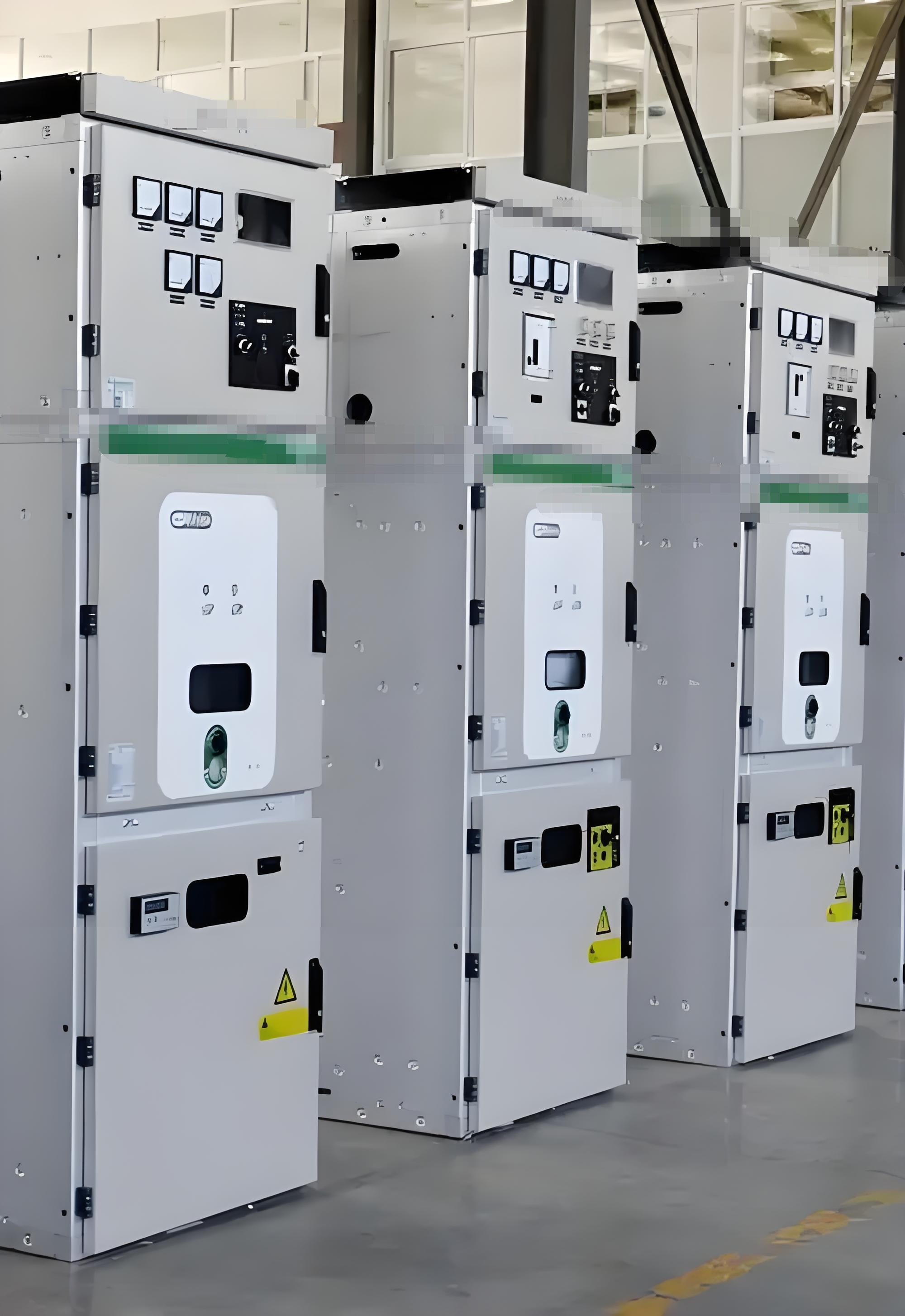
UL1558 LV SwitchGear
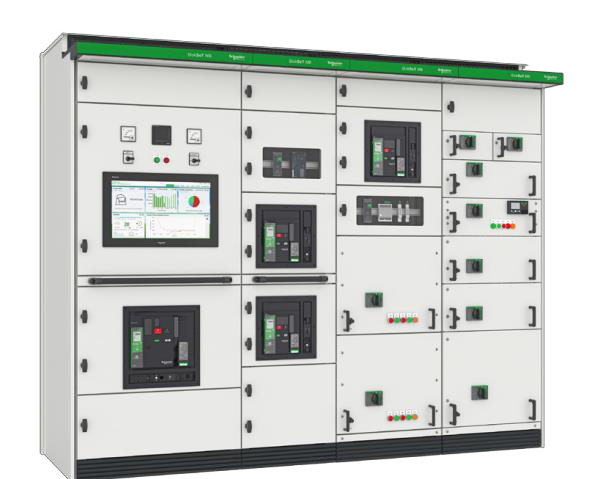
UL 1558 – Armored Low-Voltage Circuit Breakers and Switchgear
The UL 1558 standard specifies the design, construction, performance, and safety requirements for low-voltage power switchgear, ensuring its safe and reliable operation in electrical systems. It is primarily used in North America and in projects conforming to US standards.
Applicable to IEEE C37.20.1/UL1558. C37.20.1TM – IEEE Standard for Metal-Enclosed Low-Voltage Power Circuit Breaker Switchgear. UL 1558 – Metal-Enclosed Low-Voltage Power Circuit Breaker Switchgear. Designed and manufactured according to the following standards: ANSI C37.13, ANSI C37.16, ANSI C37.17, ANSI C37.50, UL 1066 (cULus certified), CSA C22.2 No.31-10.
The switchgear is used for primary power distribution, with transformer capacities ranging from 500 kVA to 20 MVA. It features large switch capacities, with main bus currents reaching 10000A and short-time withstand currents up to 200kA. The system protection is complex, and it uses electrically operated opening and closing mechanisms.
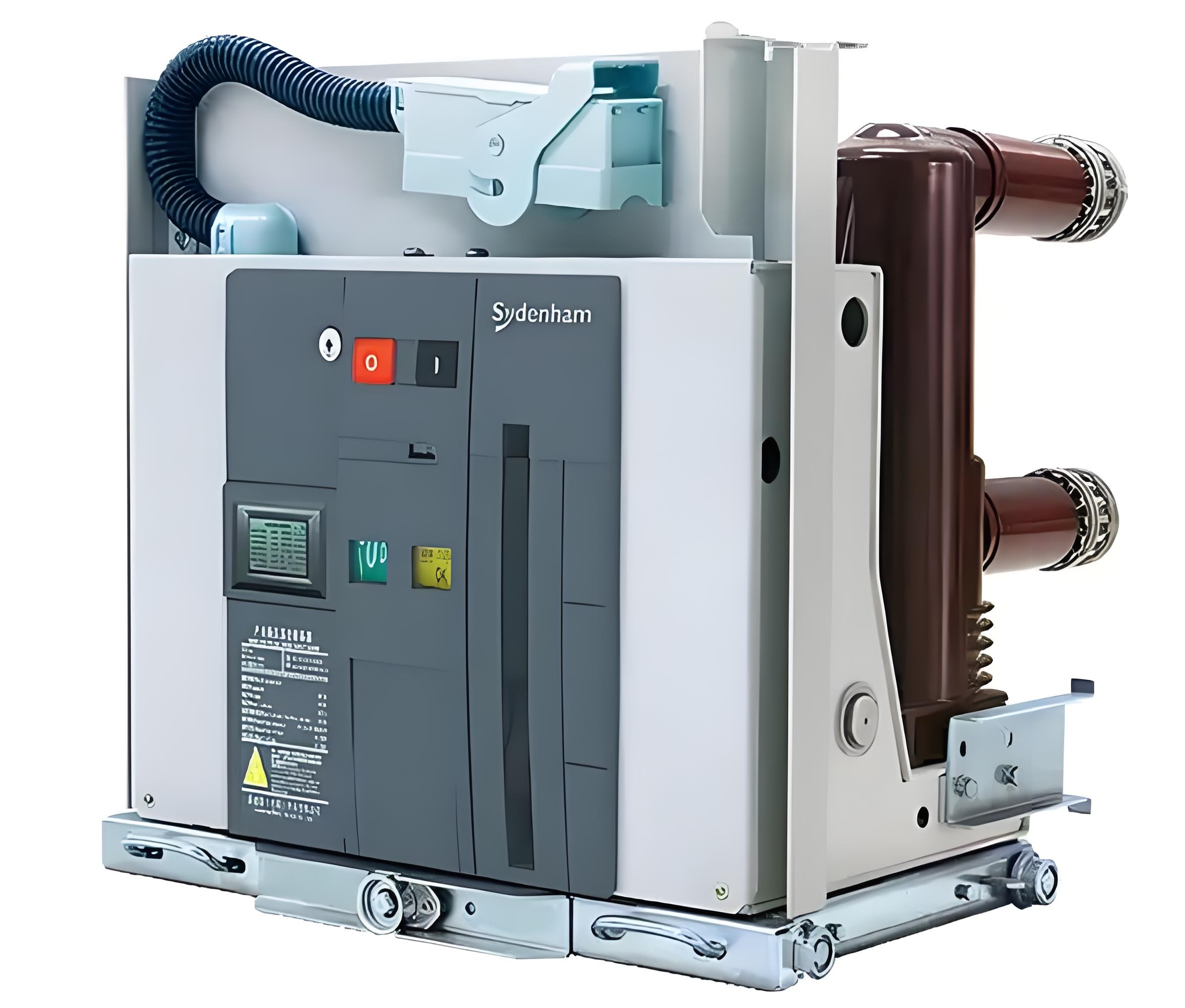
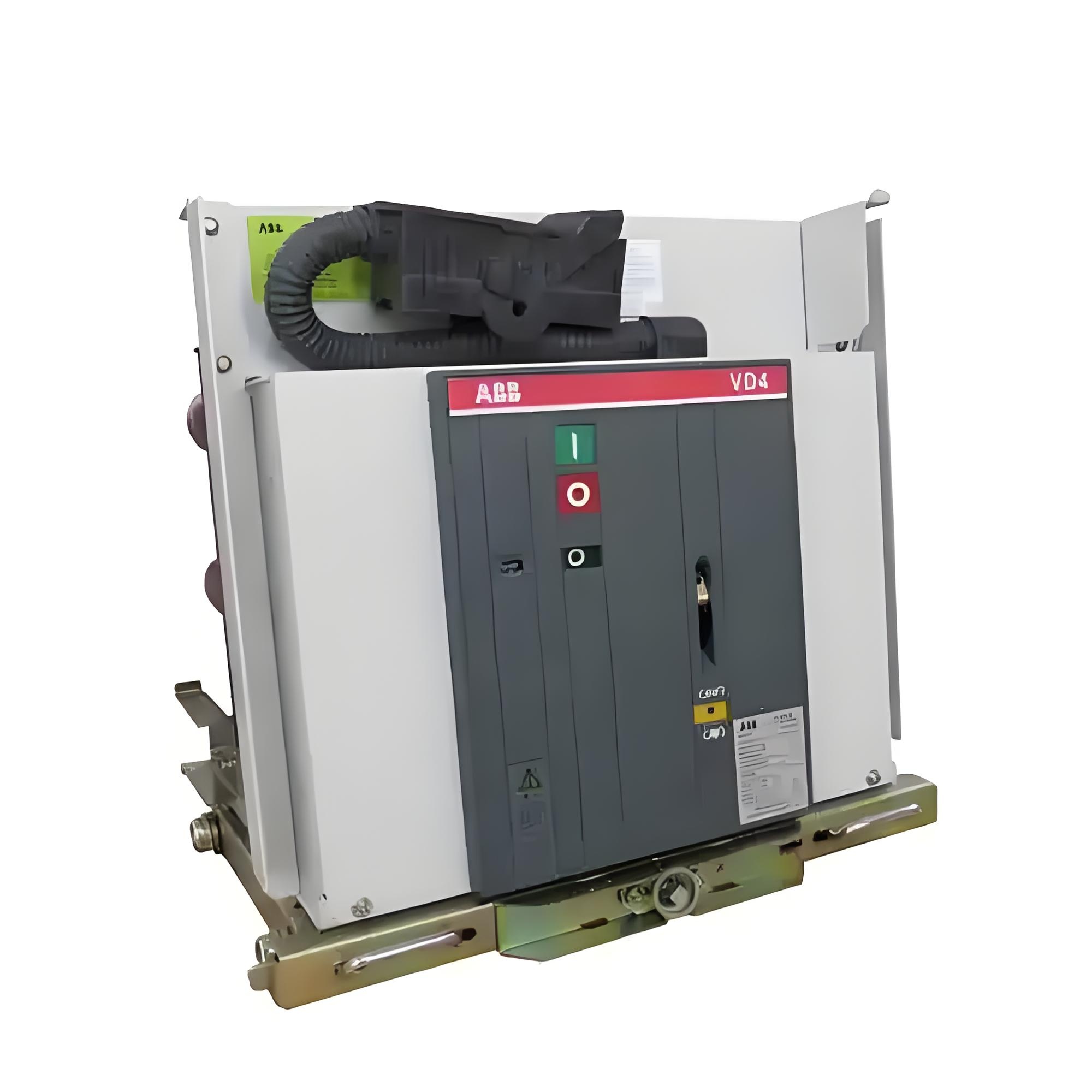
The low-voltage switchgear uses withdrawable frame circuit breakers, therefore each compartment has hinged doors. The switchgear is large in size, especially in depth, generally exceeding 1.8 meters, for cable connections. The design meets ETL, CE, CSA, and IEEE C37.20.7 certification standards and can undergo internal arc fault testing according to IEEE C37.20.7.
The low-voltage switchgear standard IEEE C37.20.1 uses only withdrawable power frame circuit breakers. The switchgear is divided into four circuit breaker compartments from top to bottom, with circuit breakers distributed within these compartments. Circuit breakers of 4000A or higher are generally single-layered, 2500/3200A circuit breakers are double-layered, and 2000A and below circuit breakers are quadrupled.
The switchgear enclosure should possess sufficient mechanical strength to withstand the stresses generated during normal operation and short circuits without deformation or damage, thus protecting the internal electrical components. Since the four front-mounted circuit breakers occupy the entire height of the switchgear, the horizontal busbars are located at the rear. Generally, there are three sets of busbars (upper, middle, and lower) to handle high currents. The horizontal busbars connect to the vertical busbars to distribute current to the four circuit breakers. The outgoing lines of the four circuit breakers connect to the rear of the cabinet through the gaps between the vertical and horizontal busbars; therefore, the switchgear is generally quite deep. Cable lugs or terminals are required for the outgoing copper busbars.
Good protective performance is required to prevent accidental contact with live parts. The protection level is usually specified according to the specific application scenario.
The internal structural layout should be reasonable, facilitating installation, maintenance, and repair. Sufficient clearances and creepage distances should be maintained between electrical components to ensure electrical insulation performance.
The switchgear must meet the specified requirements for rated voltage, rated current, and short-circuit withstand current. For example, the rated current needs to be accurately designed based on the actual load conditions, while the short-circuit withstand current reflects the switchgear's ability to withstand current surges during short-circuit faults.
It should possess good short-circuit breaking capacity, quickly disconnecting the circuit in the event of a short-circuit fault to protect equipment and personnel safety.
Electrical connections should be reliable with low contact resistance to reduce heat generation and energy loss.
It should be equipped with comprehensive protection devices, such as overcurrent protection, overvoltage protection, and undervoltage protection, which can promptly activate and disconnect the circuit in the event of electrical system abnormalities.
A reliable grounding system is required to ensure that current is safely conducted to the ground in the event of faults such as leakage, protecting personnel safety.
For withdrawable components, reliable interlocking devices should be in place to prevent misoperation, such as preventing the drawer from being pulled out while the circuit breaker is closed.
Advanced Technology: The company possesses advanced R&D technology and extensive experience in the American standard electrical field. Its UL1558 switchgear adopts advanced design concepts and manufacturing processes, meeting or even exceeding standard requirements in terms of electrical performance, structural design, and safety performance. For example, advanced circuit breaker technology is employed, resulting in higher short-circuit breaking capacity and faster opening and closing speeds.
**Reliable Quality:** Production and testing are strictly conducted according to UL1558 standards, using high-quality raw materials and components to ensure product reliability. Products undergo rigorous testing and verification, enabling stable operation under various harsh environmental conditions.
**Intelligent Functions:** Some UL1558 standard switchgear integrates an intelligent monitoring and management system, capable of real-time monitoring of switchgear operating parameters (such as voltage, current, and temperature) and remote monitoring and control via communication interfaces. This helps users promptly identify and address potential faults, improving operational efficiency.
**Customized Services:** Customized switchgear solutions can be provided based on the specific needs and project characteristics of different customers. Whether in terms of cabinet size, electrical configuration, or functional requirements, personalized needs can be met.
**Application Scenarios:**
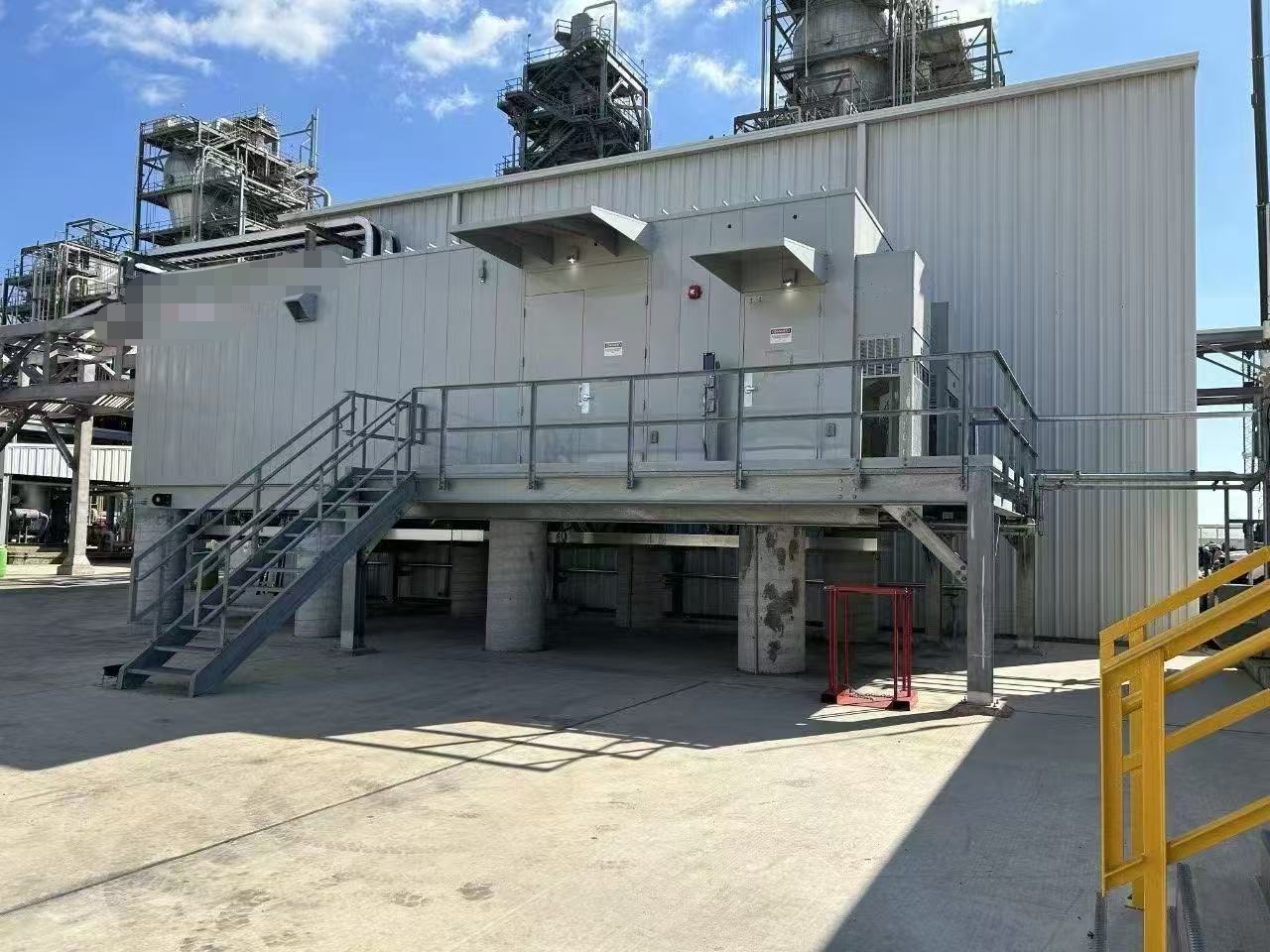
**Industrial Sector:** Used in industrial sectors such as petrochemicals, metallurgy, mining, and manufacturing for power distribution and control in factories, providing a reliable power supply to various production equipment.
**Application Scenarios:** Commercial Buildings: Suitable for shopping malls, office buildings, hotels, and other commercial venues, serving as the core equipment of low-voltage power distribution systems to ensure the normal operation of electrical equipment within the building.
Infrastructure: Provides power distribution and protection for lighting, ventilation, elevators, and other equipment in infrastructure projects such as airports, ports, railways, and urban rail transit.
Send Us A Message

Send Your Inquiry
We welcome your cooperation and we will develop with you.


