UL Certification
We can provide customers with favorable prices, stable supply chain, and the best ship-ping costs, and promise customers the best and fastest delivery time.
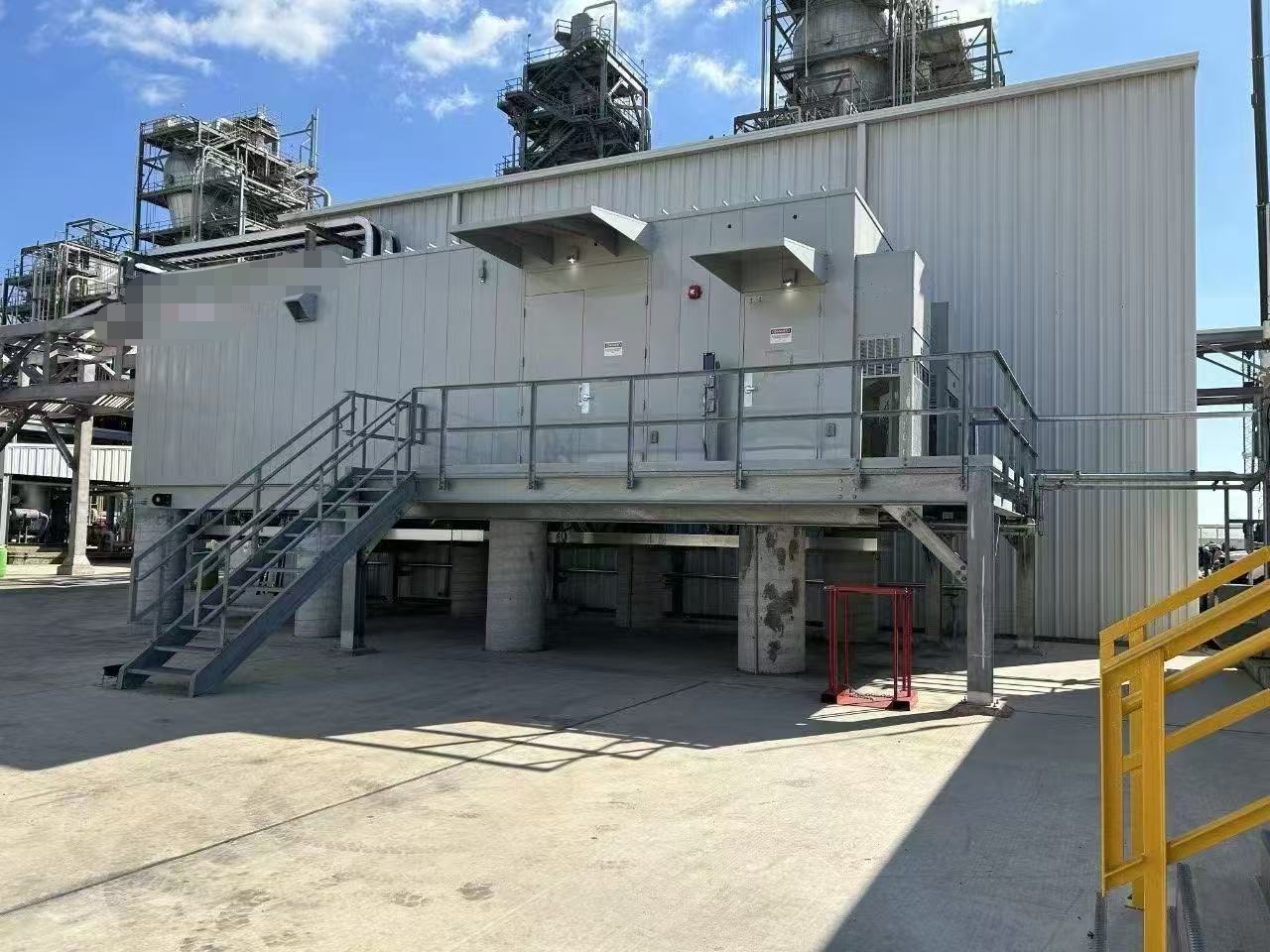
MV Capacitor cabinet
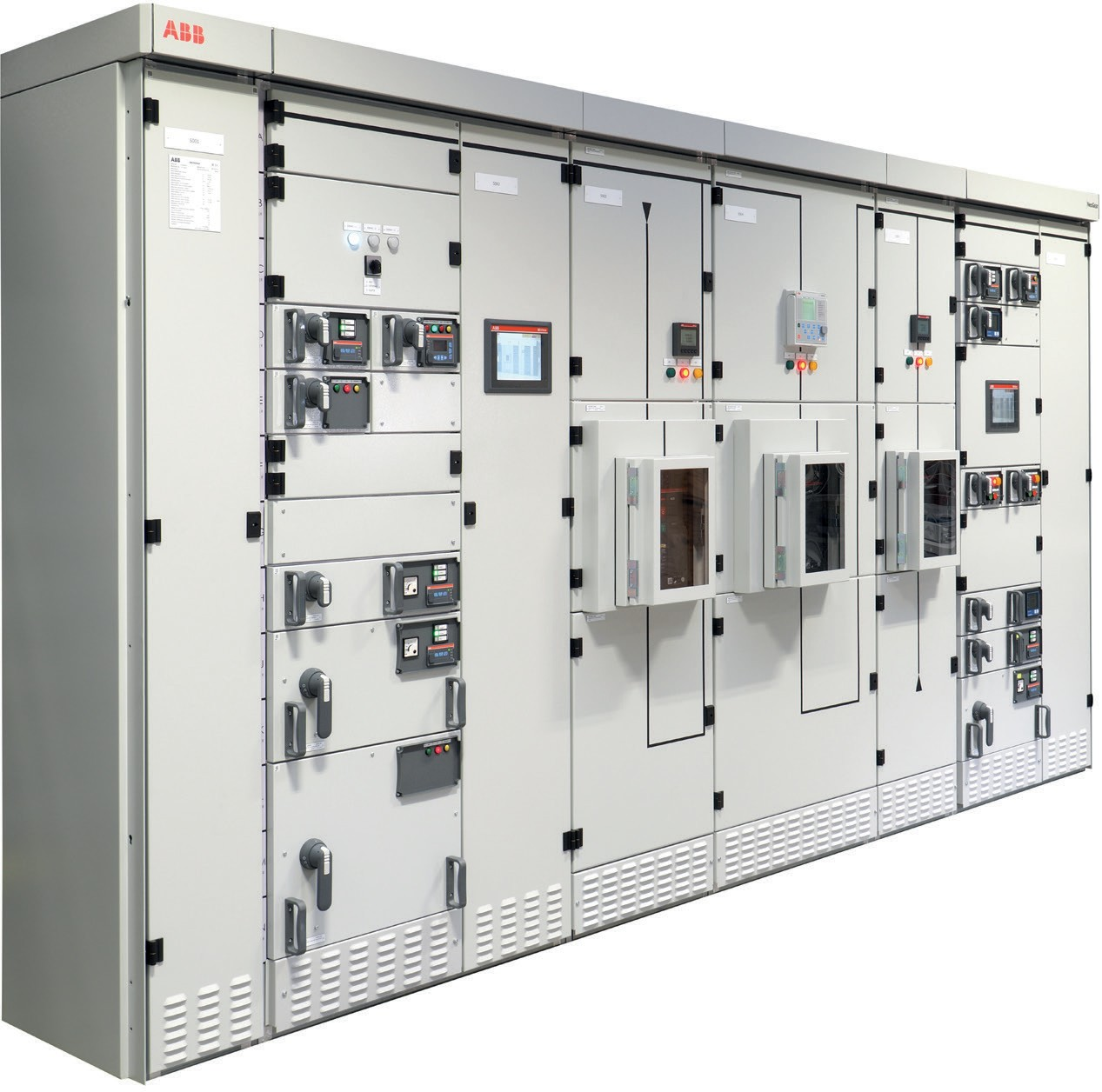

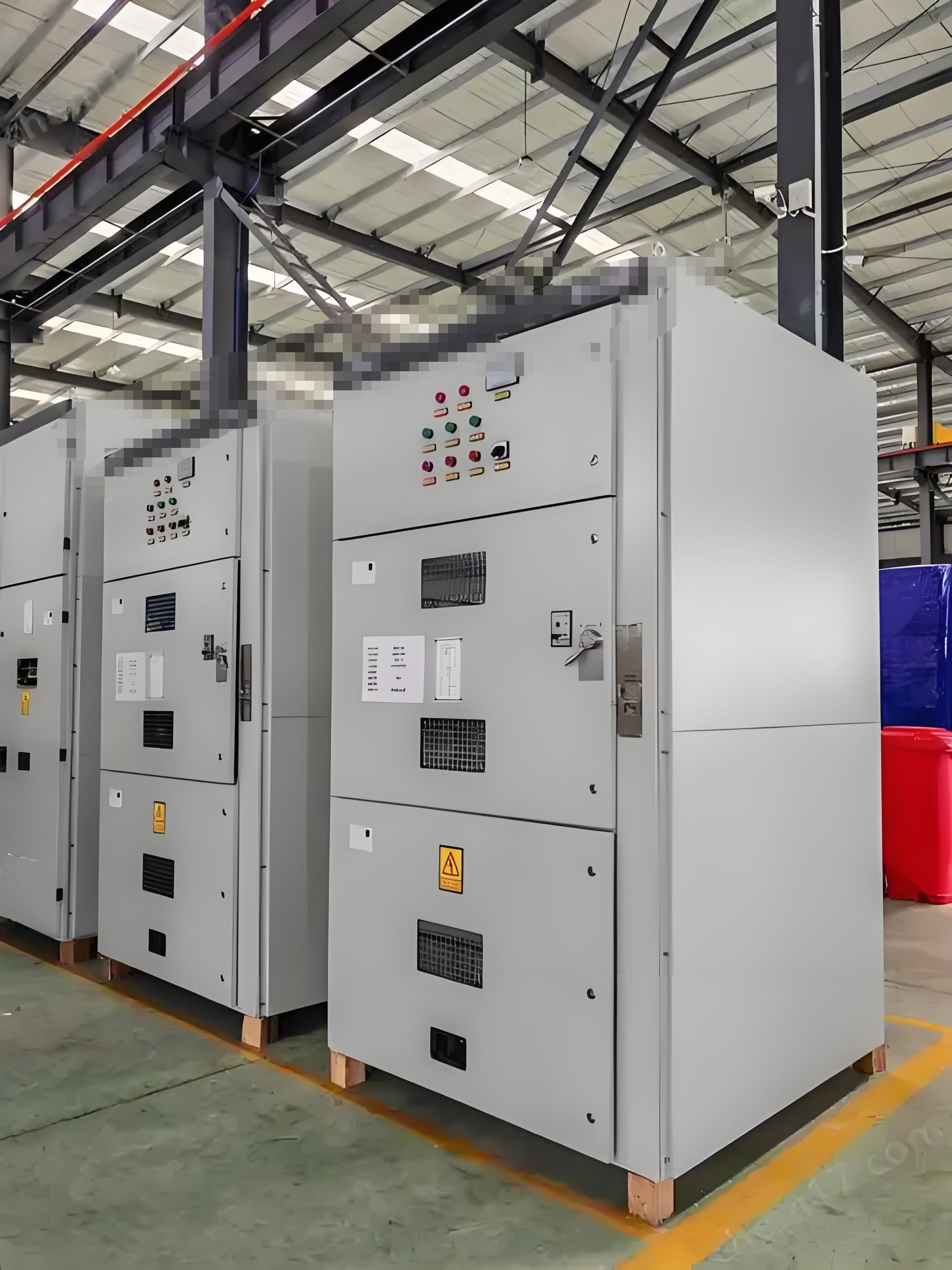
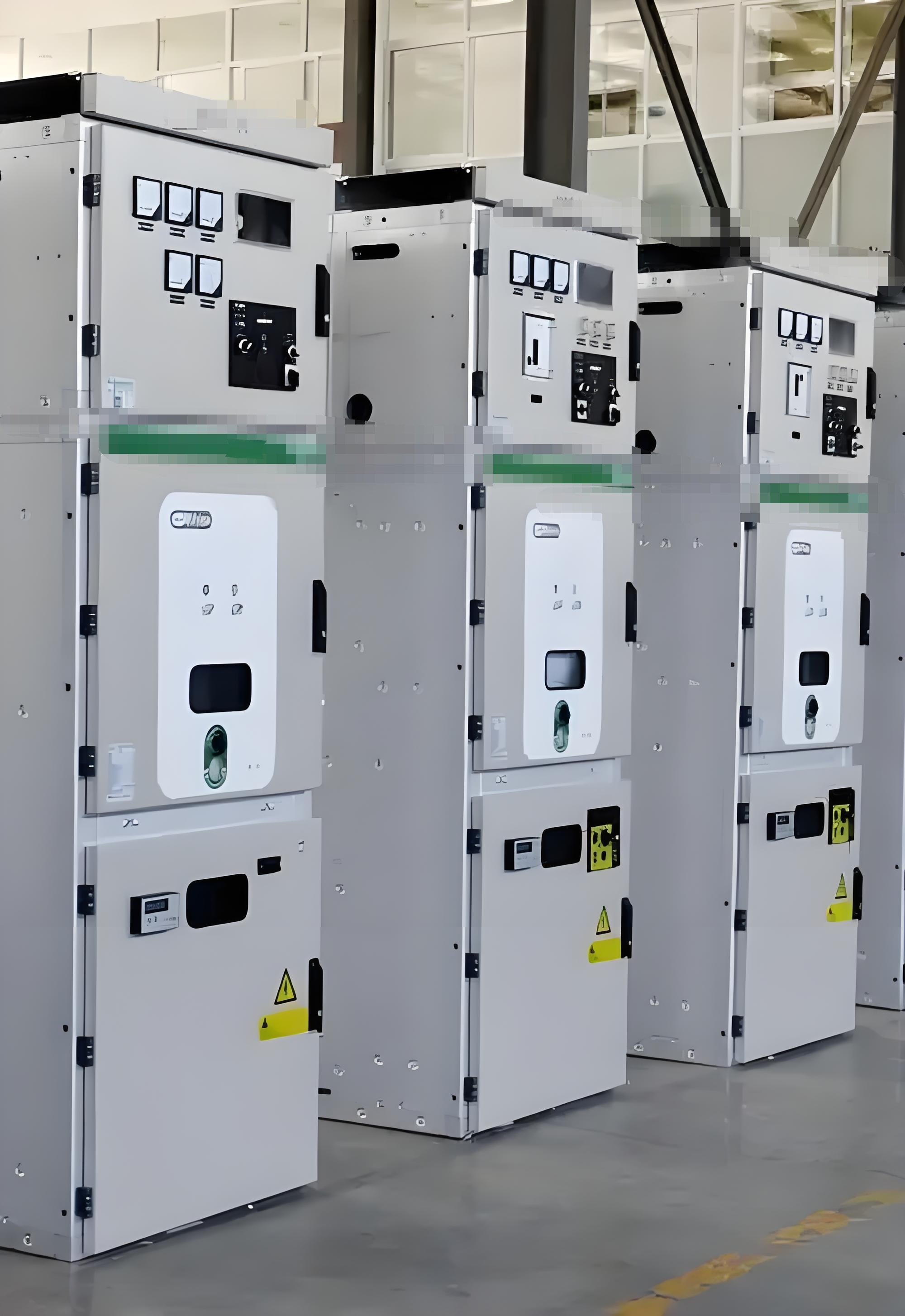
The automatic reactive power compensation device for high-voltage vacuum circuit breakers automatically switches capacitor banks based on the voltage and reactive power conditions of the power supply busbar, tracking load changes to perform reactive power compensation, thereby improving power factor, power quality, and reducing energy loss. It is installed on the outgoing busbar side of 35kV or 110kV substations, or in 6, 10, and 35kV switching stations, and is also commonly installed in front of the control cabinets of high-voltage motors in industrial enterprises for local compensation.
This device features automatic reactive power compensation, automatically tracking changes in reactive load, switching capacitor banks to improve power factor and power quality; harmonic suppression function, which can be equipped with series reactors to form an LC circuit to suppress harmonics according to the harmonic conditions provided on site; and comprehensive capacitor bank protection, including overvoltage protection, undervoltage protection, overcurrent protection, zero-sequence voltage protection, and capacitor branch unbalanced voltage protection.
The high-voltage automatic reactive power compensation device automatically tracks and compensates for reactive power based on the grid and load conditions of the 6kV and 10kV power supply busbars. This is achieved by automatically tracking and switching capacitor banks through the control system, resulting in a power factor of 0.9 or higher. This significantly optimizes power quality, reduces losses and energy consumption, and increases the transmission capacity of the power transmission and distribution system.
Product Introduction: The high-voltage SVG dynamic reactive power compensation device is an advanced power electronic device specifically designed for high-voltage grids. It can dynamically compensate for reactive power in real time, improving the grid's power factor. The device uses high-efficiency power electronic components such as IGBTs to achieve rapid response and precise control, effectively stabilizing grid voltage, reducing line losses, and improving power quality.
Product Advantages: This device features fast response speed (millisecond level), high compensation accuracy, and high operating efficiency. It supports bidirectional reactive power compensation and is adaptable to various complex operating conditions. Its modular design facilitates maintenance and expansion, while also possessing comprehensive protection functions to ensure safe and reliable operation. Compared to traditional reactive power compensation equipment, it offers significant energy savings and can substantially reduce electricity costs.
Product Applications: Suitable for high-voltage applications in power systems, industrial and mining enterprises, and new energy power plants. Particularly suitable for fluctuating load scenarios such as rolling mills, electric arc furnaces, and wind/photovoltaic power plants. Effectively solves voltage fluctuation and flicker problems, ensuring stable grid operation.
Main Technical Parameters:
1. Rated Voltage Levels: 6, 10, 35KV;
2. Rated Frequency: 50HZ;
3. Reactor Parameter Selection: Inrush current suppression, reactance rate is generally 1%; 5th and higher harmonics suppression, reactance rate is 6%; 3rd and higher harmonics suppression, reactance rate is 12%;
4. The device can operate continuously at 1.1 times the rated operating voltage;
5. The device can operate continuously under overcurrent conditions where the RMS current does not exceed 1.3 times the rated capacitor current;
6. Each capacitor bank is equipped with a discharge coil, which can reduce the residual voltage to below 50V within 30 seconds. 7. Rated capacity: 600~9000Kvar;
8. Anti-interference performance: Capable of withstanding attenuated oscillating wave pulse interference tests with a frequency of 1MHz, common-mode voltage amplitude of 2500V, and differential-mode voltage of 1000V;
9. Mechanical life: 50,000 cycles;
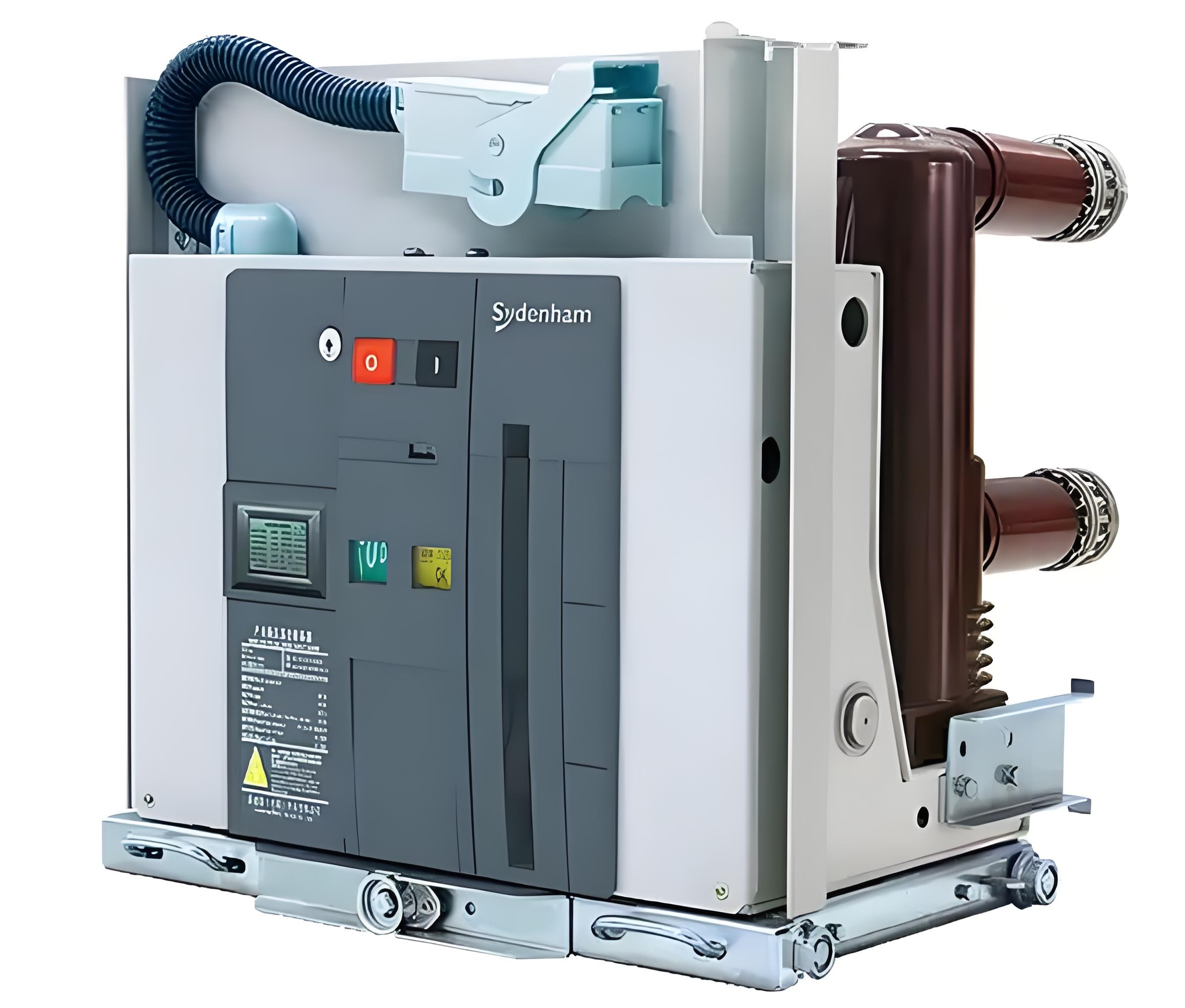
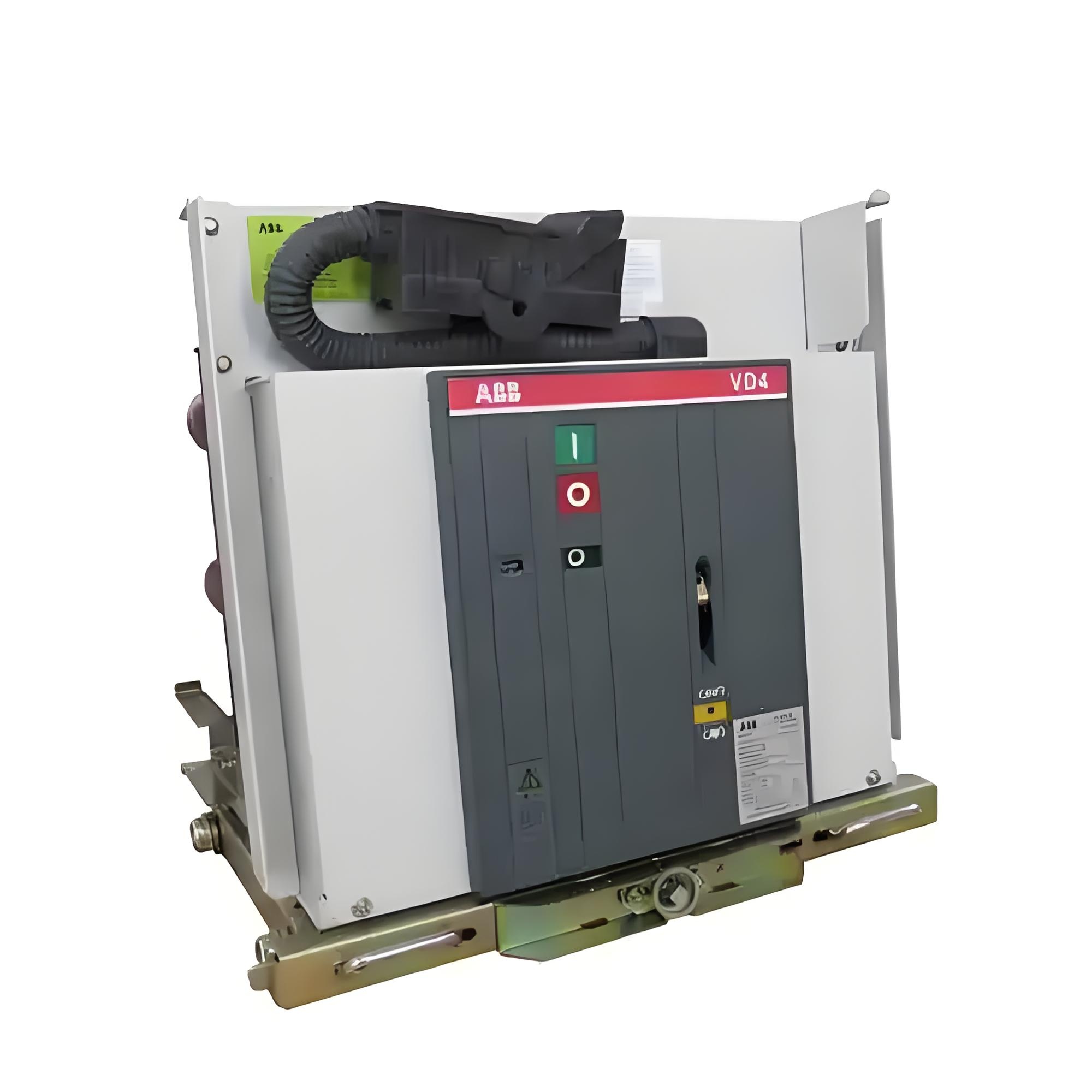
The automatic switching reactive power compensation device for high-voltage vacuum circuit breakers mainly consists of: a reactive power compensation controller and microprocessor-based capacitor protector, current transformer, surge arrester, discharge coil, high-voltage vacuum circuit breaker, reactor, capacitor protection high-voltage fuse (according to capacitor bank configuration), and power capacitor bank (according to user power distribution load).
The high-voltage circuit breaker switching capacitor bank uses a system voltage transformer (PT) to collect A and C phase voltage signals and a system current transformer (CT) to collect B phase current signals, which are then transmitted to the HZS type reactive power compensation controller. The analog signals of voltage and current are obtained through the controller's sampling circuit. After A/D conversion, digital quantities such as voltage and current are obtained. Then, through the controller's microprocessor, parameters such as voltage, current, active power, reactive power factor, and harmonic percentage are calculated and compared with the system setpoints stored in the fixed memory (users can select different control modes based on the above parameters, such as reactive power + voltage, voltage, current, power factor, etc.). The system determines under what conditions the capacitor bank is operated and executes the opening and closing of the capacitor bank through the high-voltage AC vacuum contactor. This achieves the purpose of automatically and cyclically switching the capacitor bank to compensate for reactive power in the line, so as to automatically balance the supply and demand of reactive power on the power grid. This plays an important role in reducing line losses, improving the power factor and the transmission capacity of the system, and improving the power quality of the distribution network.
Send Us A Message

Send Your Inquiry
We welcome your cooperation and we will develop with you.


